
Museo Comunale d'Arte Moderna
20. September 2026 - 10. Januar 2027
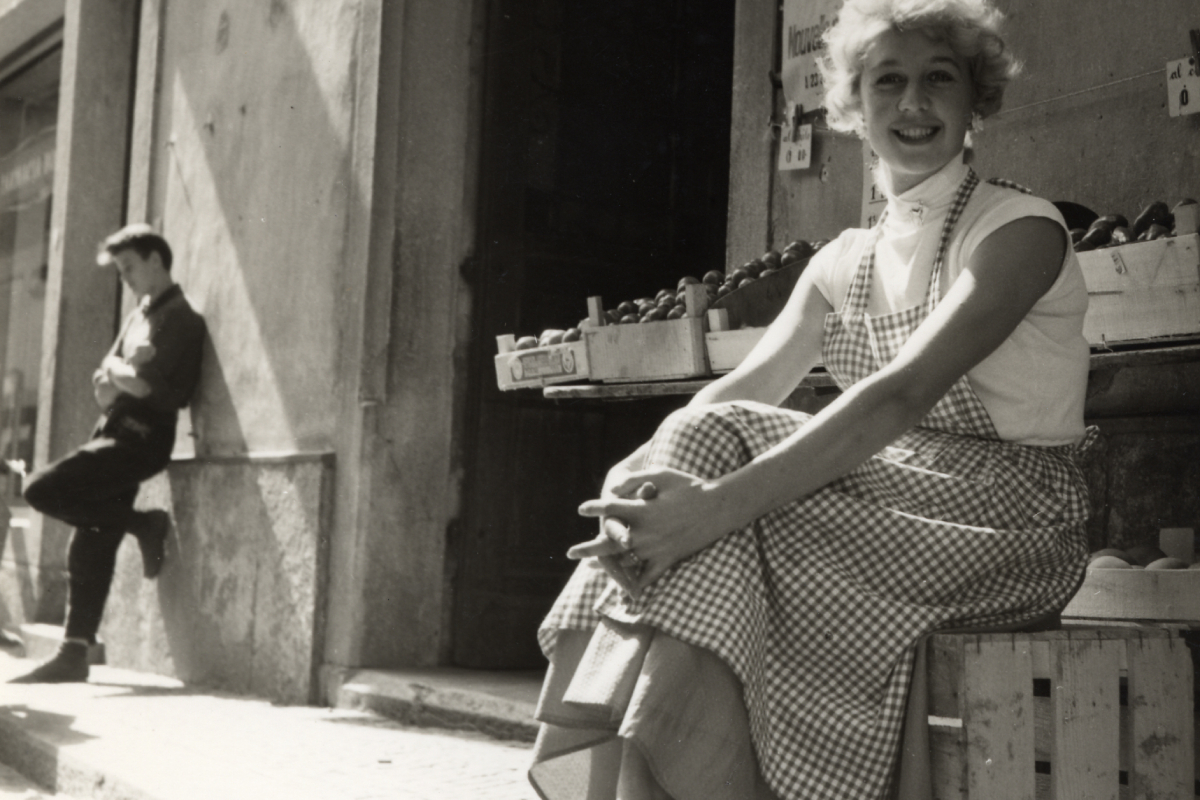
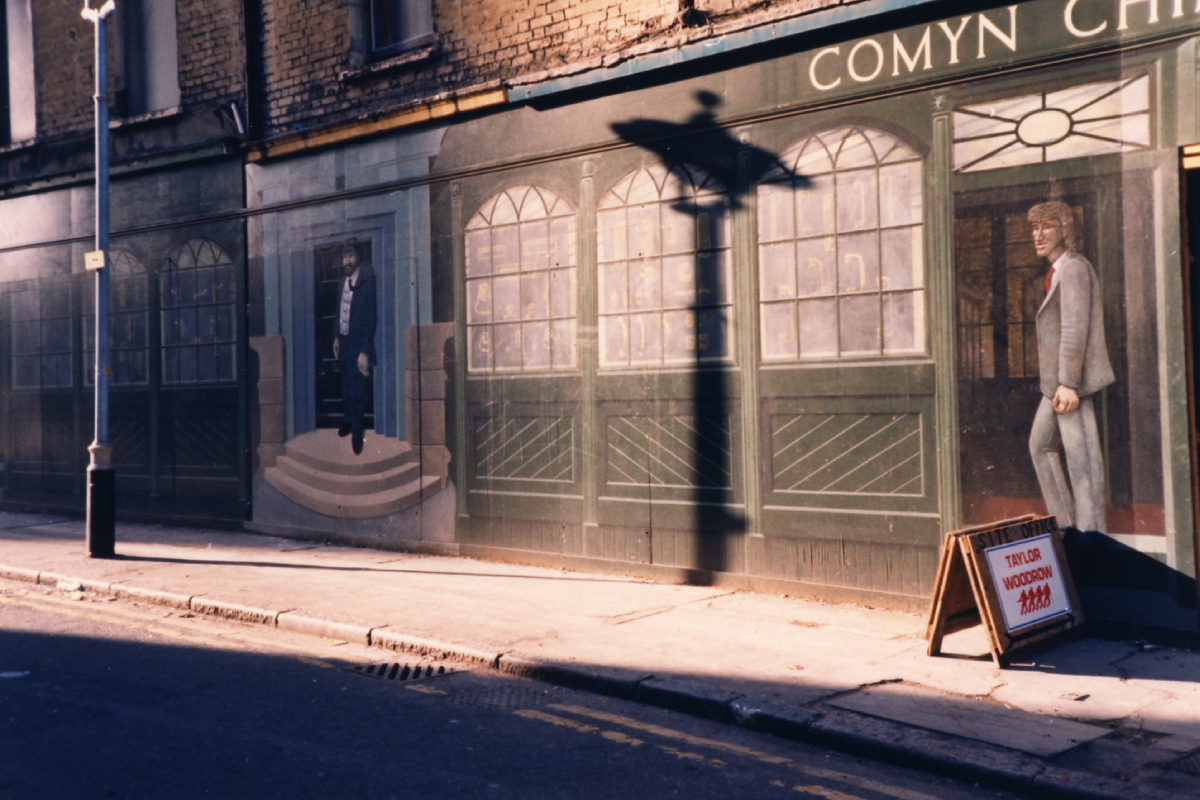
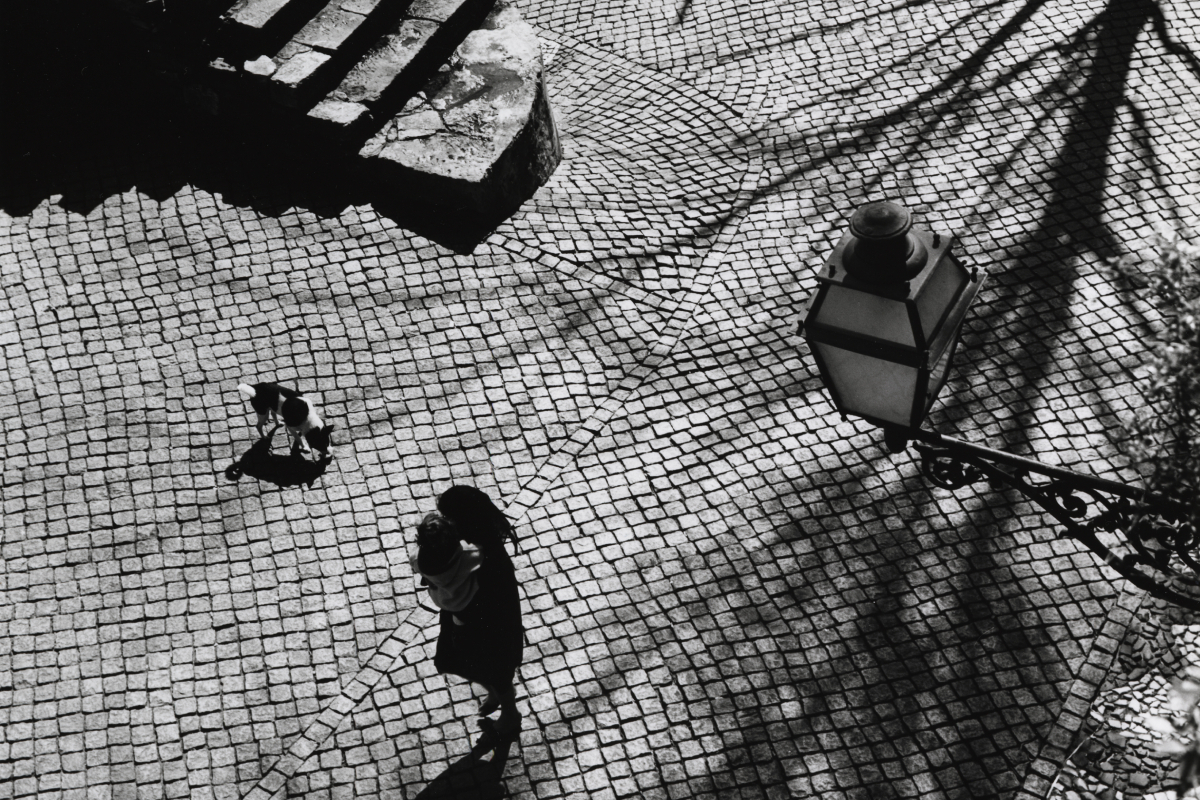
"As long as I live, I will be a photographer. I will never retire", declared Dorothy Bohm (1924–2023), the British photographer of German origin. Known for portraits, street photography, her early use of colour and pictures taken in London, Paris, Lisbon and Ascona – where she first stayed in 1947 and where, through contact with antifascist artists, she found the decisive impulse toward black-and-white street photography.
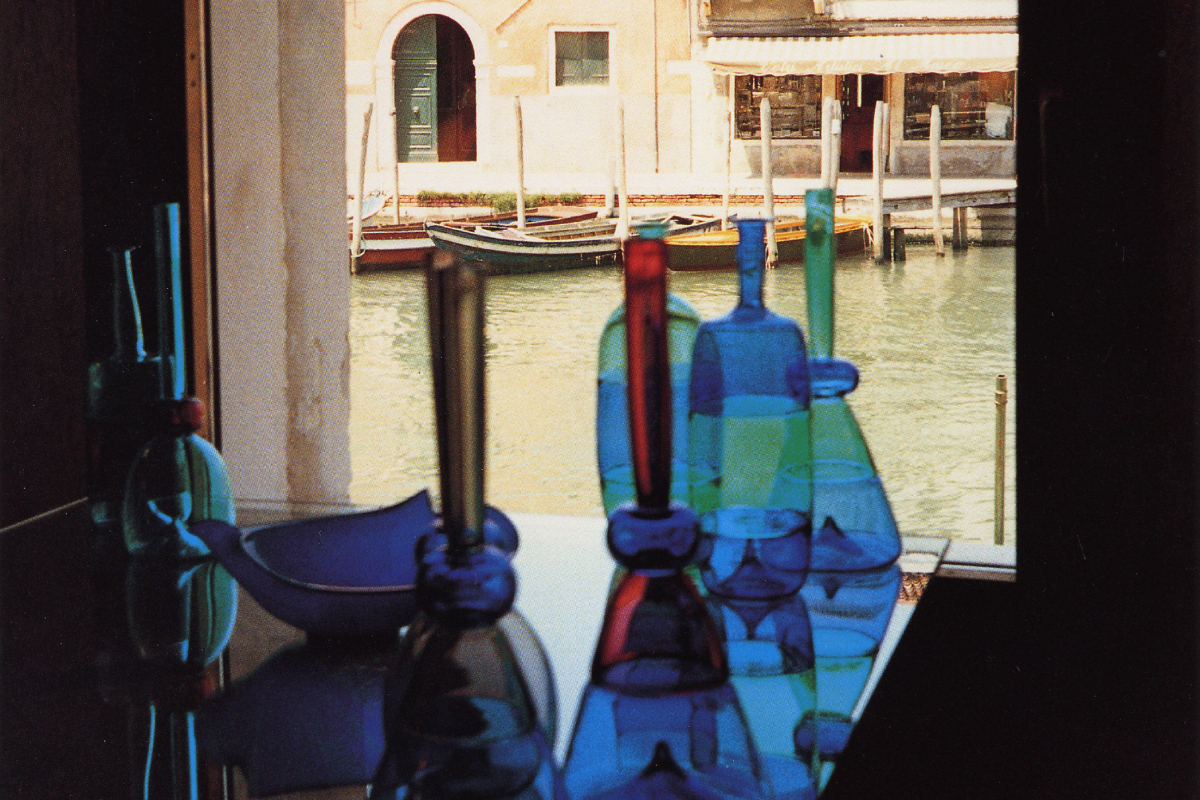
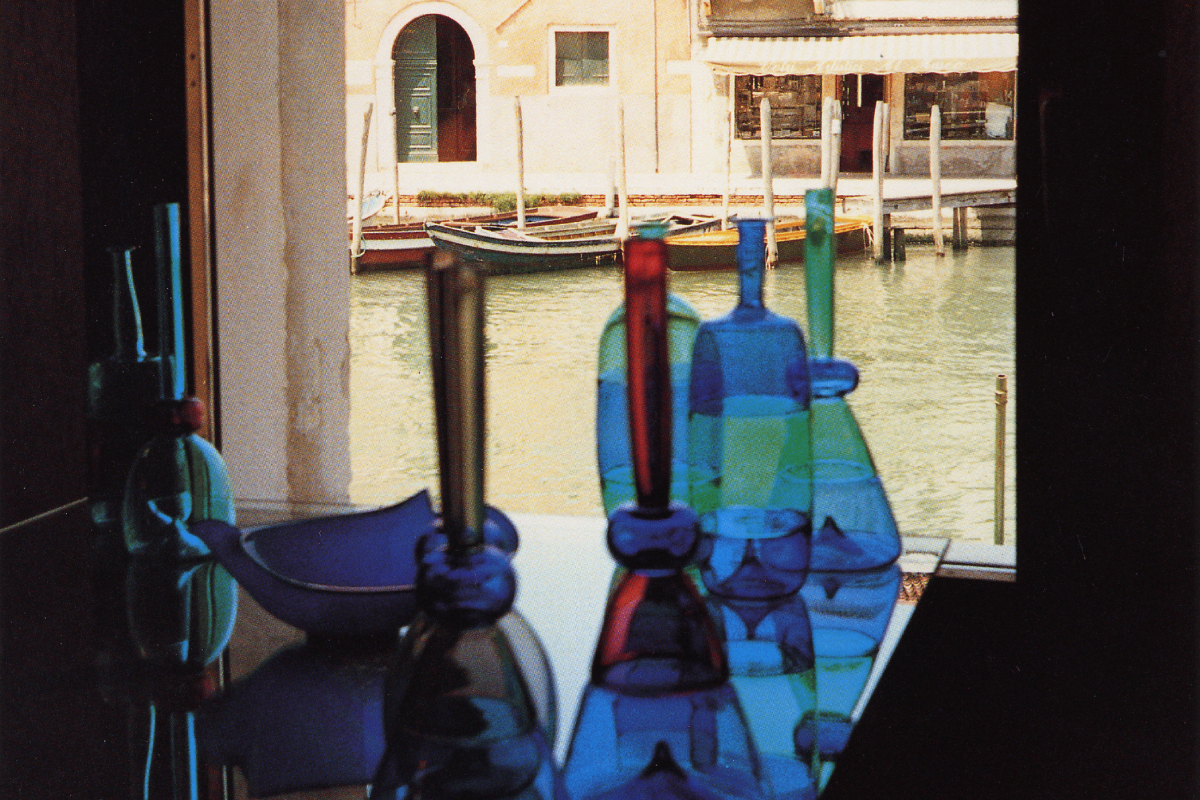
Her poetic and moving images capture authentic moments of life and dialogue with the work of Henri Cartier-Bresson, shaping a lasting attention to everyday life, social change and the world of women. In 1971 Bohm co-founded The Photographers’ Gallery in London, where she served as associate director until 1986. From the 1980s onward she focused on artistic colour photography. Her works – often centred on details of urban walls, reflections and torn posters – engage with abstract art and the neo-avant-gardes. At the same time, she embraced Polaroid photography to preserve fleeting moments and, as she said, "something of that special magic".
A selection of 60 works traces the essential phases of her career – from studio portraits and black-and-white photography to analogue and Polaroid colour works.